
Vascular Malformation
Vascular Malformation Treatment in Aurangabad – Dr. Vivek Jaju
With modern imaging and minimally invasive techniques, many vascular malformations can now be treated safely without major surgery.
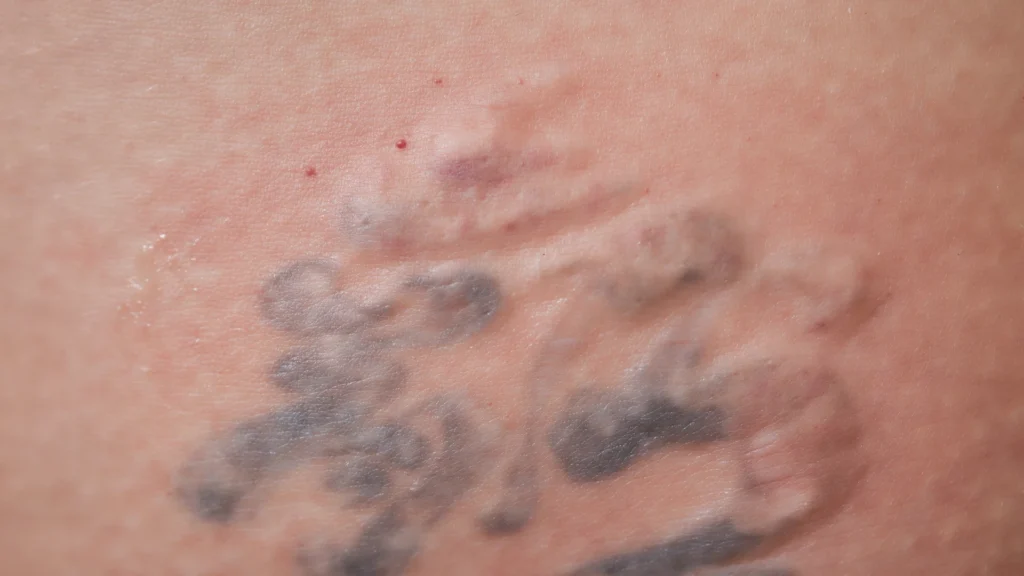
Types of Vascular Malformation
Venous Malformations: Abnormal veins causing swelling, pain, or bluish skin discoloration
Arteriovenous Malformations (AVMs): Abnormal connections between arteries and veins leading to high blood flow
Capillary Malformations: Often appear as skin discoloration or birthmarks
Lymphatic Malformations: Involve lymph vessels and may cause soft swelling
Each type requires a specific treatment approach based on size, location, and symptoms.
Symptoms of Vascular Malformation
Symptoms vary depending on the type and location and may include:
Swelling or lump in the affected area
Pain or discomfort
Skin discoloration or visible abnormal vessels
Warmth over the affected region
Bleeding in some cases
Functional problems if nearby organs or joints are involved
Some malformations remain stable, while others may worsen over time.
Diagnosis of Vascular Malformation
Accurate diagnosis is essential to plan effective treatment. Evaluation may include:
Clinical examination
Doppler ultrasound
MRI or CT scan for detailed mapping
Angiography to assess blood flow and vessel structure
These tests help determine the exact type and extent of the malformation.
Treatment Options for Vascular Malformation
Treatment depends on symptoms, location, and severity.
Observation
Small, asymptomatic malformations may only need regular monitoring
Minimally Invasive Treatment
Image-guided embolization or sclerotherapy
Targets abnormal vessels and reduces blood flow
Preserves surrounding healthy tissue
Short recovery time
Surgical Treatment
Considered only when minimally invasive options are not suitable
Benefits of Minimally Invasive Treatment
Avoids major surgery
Minimal pain and faster recovery
Reduced risk of complications
Precise, targeted treatment
Improved symptoms and quality of life