
Osteoid Osteoma
Osteoid Osteoma Treatment in Aurangabad – Dr. Vivek Jaju
With modern medical advances, osteoid osteoma can now be treated effectively using minimally invasive, image-guided procedures, often without open surgery.
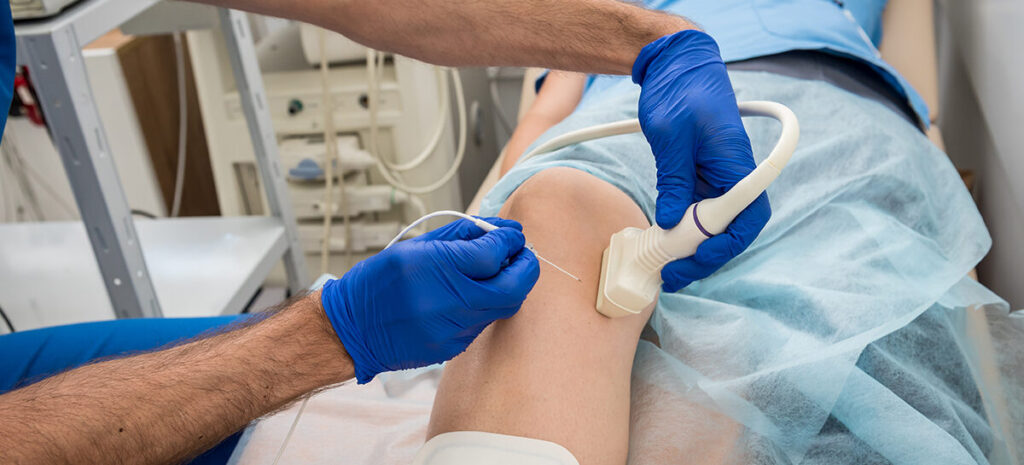
Symptoms of Osteoid Osteoma
The most common symptoms include:
Persistent bone pain, often worse at night
Pain relief after taking painkillers (NSAIDs)
Local swelling or tenderness over the affected area
Limping or difficulty in movement (when legs are involved)
Muscle stiffness or reduced joint movement nearby
Pain may worsen over time if left untreated.
Causes & Risk Factors
The exact cause of osteoid osteoma is not clearly known. It is not related to injury or infection and does not spread to other parts of the body. It is more commonly seen in:
Children and young adults
Males more than females
Diagnosis of Osteoid Osteoma
Accurate diagnosis is essential to confirm the condition and plan treatment. Evaluation may include:
Clinical examination and pain history
X-ray imaging
CT scan (most reliable for diagnosis)
MRI in selected cases to assess surrounding tissues
Blood tests are usually normal.
Treatment Options for Osteoid Osteoma
Conservative Management
Pain-relieving medications may provide temporary relief
Long-term medication is not ideal due to side effects
Minimally Invasive Treatment
Radiofrequency Ablation (RFA) is the preferred treatment for most patients.
Image-guided procedure using CT guidance
Heat is used to destroy the tumor through a thin needle
No large incision or stitches
Short hospital stay or day-care procedure
High success rate with quick pain relief
Surgical Treatment
Rarely required today
Considered only when minimally invasive options are not suitable
Benefits of Minimally Invasive Treatment
No major surgery or scars
Rapid pain relief
Faster recovery and return to normal activities
Low risk of complications
Highly effective and safe
When to Seek Medical Care
Consult a specialist if:
Bone pain persists or worsens at night
Pain affects sleep or daily activities
Pain relief depends on regular medication
Early diagnosis and treatment prevent prolonged discomfort and mobility issues.