
Benign Hypertrophy of Prostate (BPH)
Prostate Enlargement (BPH) Treatment in Aurangabad – Dr. Vivek Jaju
BPH is not life-threatening, but if left untreated, it can significantly affect quality of life. The good news is that modern medical advances now allow effective treatment of BPH without open surgery.
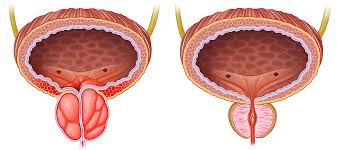
Symptoms of Benign Hypertrophy of Prostate
Men with BPH may experience one or more of the following symptoms:
Frequent urge to urinate, especially at night
Difficulty in starting urination
Weak or interrupted urine stream
Dribbling at the end of urination
Feeling of incomplete bladder emptying
Sudden urgency to urinate
Straining while passing urine
Early evaluation helps prevent complications such as urinary retention or bladder problems.
Diagnosis of BPH
Accurate diagnosis is essential for proper management of BPH. Evaluation may include:
Clinical examination and symptom assessment
Ultrasound of the prostate and urinary bladder
PSA (Prostate-Specific Antigen) blood test
Urine flow studies (uroflowmetry)
Imaging studies such as CT or MRI when required
These tests help determine prostate size and guide the best treatment approach.
Non-Surgical Treatment for BPH
Today, many patients can be treated without surgery through minimally invasive, image-guided procedures.
Prostate Artery Embolization (PAE)
Prostate Artery Embolization is a safe and effective non-surgical treatment for BPH performed by an interventional radiologist.
Tiny particles are used to reduce blood flow to the enlarged prostate
The prostate gradually shrinks, relieving urinary symptoms
No cuts, stitches, or general anesthesia required
Short recovery time with minimal discomfort
Preserves sexual and urinary function
PAE is especially suitable for patients who want to avoid surgery or are unfit for traditional surgical procedures.
Benefits of Non-Surgical BPH Treatment
No surgical incision or scars
Faster recovery and early return to daily activities
Minimal pain and low complication risk
Reduced hospital stay or day-care procedure
Maintains quality of life and sexual function
When to Seek Treatment
If urinary symptoms begin to interfere with sleep, work, or daily routine, medical consultation is advised. Early treatment can prevent worsening symptoms and complications.