
Uterine Fibroids
Uterine Fibroid Treatment in Aurangabad – Dr. Vivek Jaju
With advances in medical care, uterine fibroids can now be treated effectively without major surgery in many cases.
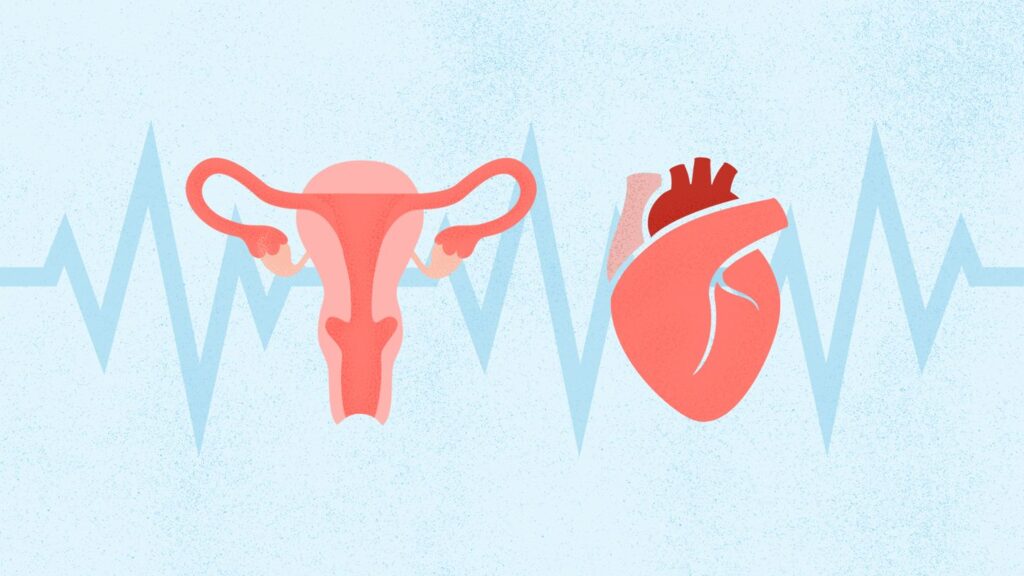
Symptoms of Uterine Fibroids
Symptoms depend on the size and location of the fibroids. Common symptoms include:
Heavy or prolonged menstrual bleeding
Painful periods
Pelvic pain or pressure
Frequent urination
Constipation
Lower back pain
Abdominal bloating or fullness
Difficulty in conceiving (in some cases)
Some women may have fibroids without any symptoms and discover them during routine check-ups.
Diagnosis of Uterine Fibroids
Proper diagnosis helps decide the best treatment approach. Evaluation may include:
Clinical pelvic examination
Ultrasound of the uterus
MRI scan for detailed assessment of fibroid size and location
Blood tests to check for anemia caused by heavy bleeding
Treatment Options for Uterine Fibroids
Treatment Options for Uterine Fibroids
Treatment depends on symptoms, fibroid size, age, and future pregnancy plans.
Medical Management
Medicines to control bleeding and pain
Hormonal treatment to manage symptoms
Minimally Invasive Treatment
Uterine Artery Embolization (UAE) is an effective non-surgical option for selected patients.
Blocks blood supply to fibroids, causing them to shrink
No open surgery or large incisions
Performed under image guidance
Short recovery time
Preserves the uterus
Surgical Treatment
Recommended in selected cases when other treatments are not suitable
Benefits of Minimally Invasive Fibroid Treatment
Avoids major surgery
Less pain and faster recovery
Minimal hospital stay
Reduced blood loss
Effective symptom relief
When Is Treatment Needed?
Treatment is advised if fibroids:
Cause heavy bleeding or anemia
Lead to persistent pelvic pain
Interfere with daily activities
Affect fertility or pregnancy outcomes
Early evaluation helps prevent complications and improves quality of life.