
Liver Cancer
Liver Cancer Treatment in Aurangabad – Dr. Vivek Jaju
With advances in imaging and interventional care, liver cancer can now be managed using targeted, minimally invasive treatments in selected cases.
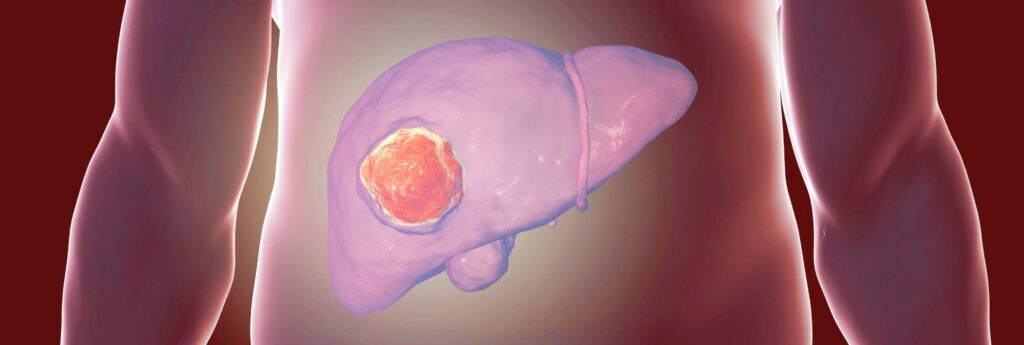
Types of Liver Cancer
Hepatocellular Carcinoma (HCC):
The most common primary liver cancer, often associated with chronic liver disease.Cholangiocarcinoma:
Cancer arising from bile ducts within the liver.Metastatic Liver Cancer:
Cancer that has spread to the liver from other organs such as the colon, pancreas, or breast.
Symptoms of Liver Cancer
Early-stage liver cancer may not cause symptoms. As the disease progresses, symptoms may include:
Persistent abdominal pain or discomfort
Unexplained weight loss
Loss of appetite
Fatigue and weakness
Abdominal swelling
Yellowing of skin or eyes (jaundice)
Nausea or vomiting
Risk Factors for Liver Cancer
Common risk factors include:
Chronic hepatitis B or C infection
Liver cirrhosis
Alcohol-related liver disease
Fatty liver disease
Exposure to toxins
Family history of liver cancer
Diagnosis of Liver Cancer
Accurate diagnosis helps determine the stage and best treatment plan. Evaluation may include:
Blood tests, including liver function tests and tumor markers
Ultrasound of the liver
CT scan or MRI for detailed imaging
Biopsy in selected cases
Treatment Options for Liver Cancer
Treatment depends on the type, size, stage of cancer, and overall liver function.
Minimally Invasive & Interventional Treatments
Transarterial Chemoembolization (TACE):
Delivers chemotherapy directly to the tumor while blocking its blood supply.Radiofrequency Ablation (RFA) / Microwave Ablation (MWA):
Uses heat to destroy cancer cells precisely.Transarterial Radioembolization (TARE):
Uses radioactive particles to target cancer cells from within.
These treatments are targeted, preserve healthy liver tissue, and often involve shorter recovery times.
Other Treatment Options
Surgery in selected patients
Systemic therapy or immunotherapy when indicated