
Introduction
If you have just been told you have a DVT, your first instinct might be to lie down and not move. That was the standard advice for decades: rest the leg, elevate it, wait for blood thinners to work. The evidence now tells a different story. Controlled walking, started early with anticoagulation, is safe and actively beneficial for most DVT patients. This article explains why, and what the exceptions are.
The Old Advice Was Wrong
The instruction to stay in bed with DVT was based on intuitive reasoning rather than evidence. Doctors assumed activity would shake the clot loose and cause a pulmonary embolism. Studies over the past two decades have consistently shown this fear is not supported by data. Patients who walked early did not have higher rates of pulmonary embolism than those on strict bed rest. What those studies did show was faster reduction in pain and swelling in patients who walked. The medical consensus has shifted accordingly.
What the Evidence Now Shows
Multiple randomised controlled trials comparing early ambulation with bed rest in DVT patients on anticoagulation have found no increase in the risk of pulmonary embolism with walking. A landmark analysis published in the Journal of Thrombosis and Haemostasis found that active walking with compression reduced leg pain and swelling significantly faster than bed rest in patients with proximal DVT. Current guidelines from both the American College of Chest Physicians and the European Society of Vascular Medicine support early ambulation over bed rest for stable DVT patients on anticoagulation.
How Walking Helps With DVT Recovery
Walking works in several ways during DVT recovery. The calf muscles act as a venous pump: when they contract during walking, they squeeze blood upward through the veins. This pumping action helps reduce the pooling of blood behind the clot, which is what causes swelling and pain. Walking also improves circulation in the unaffected parts of the leg, reducing the risk of further clot extension. Regular movement prevents the general deconditioning that comes from prolonged bed rest, which itself is a risk factor for new clot formation. Patients who walk during DVT treatment typically report a faster reduction in leg heaviness and discomfort compared to those who rest.
When Walking Is NOT Safe
Walking is appropriate for patients on anticoagulation who are clinically stable. If DVT is suspected but anticoagulation has not yet started, vigorous activity should be avoided until treatment begins. Patients with a very large or proximal clot may need a short initial rest period before ambulation, as directed by their specialist. If symptoms of pulmonary embolism are present — shortness of breath, chest pain, rapid heartbeat — all activity must stop and emergency care is required. Patients with haemodynamic instability are not candidates for early ambulation.
The Role of Compression Stockings
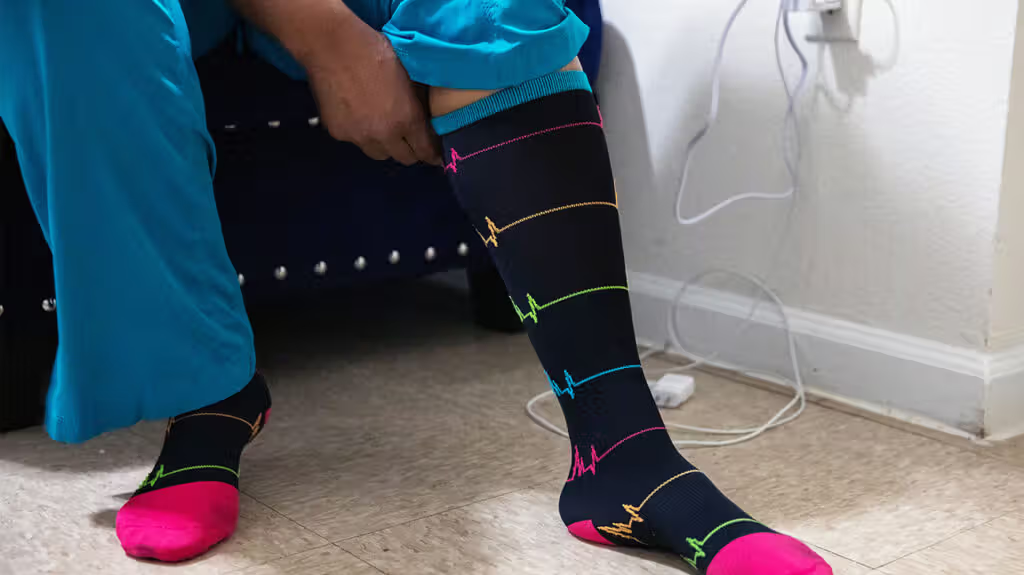
Compression stockings are an important part of DVT recovery and should be worn during walking. They apply graduated pressure from the ankle upward, reducing the diameter of the veins and helping to push blood toward the heart. This counteracts the pooling that causes swelling and pain, and reduces the risk of developing post-thrombotic syndrome. Studies show that knee-high compression stockings of 30 to 40 mmHg are the most effective for DVT-related leg symptoms. They should be put on in the morning before getting out of bed and removed at night. Your specialist will advise on the appropriate compression class for your case.
What to Avoid During DVT Recovery
While walking is encouraged, some activities carry more risk during active DVT treatment. High-impact exercise such as running, jumping, or contact sports should be avoided until the clot has been treated and your specialist gives clearance. Prolonged standing or sitting in one position without movement increases venous pooling and should be avoided. Long-haul travel (particularly air travel) should be discussed with your specialist before being undertaken. Dehydration thickens blood and increases clotting risk, so maintaining adequate fluid intake is important during recovery.
Returning to Exercise After DVT
Most patients can return to regular exercise within four to six weeks of starting anticoagulation, depending on clot size and treatment response. Begin with short flat walks and increase gradually. Swimming and cycling are good low-impact options early in recovery. Running and high-intensity activity follow once the leg is comfortable and the specialist confirms the clot is resolving on follow-up ultrasound.
What Is Post-Thrombotic Syndrome and How Does Walking Prevent It?
Post-thrombotic syndrome (PTS) is a long-term complication of DVT that affects up to 50% of patients if not managed well. It occurs when the clot damages the valves inside the vein, causing chronic venous insufficiency: ongoing leg swelling, aching, skin discolouration, and in severe cases, venous ulcers. Regular walking during and after DVT recovery strengthens the calf muscle pump, improves venous drainage, and reduces the pressure on damaged valves. Combined with compression therapy, early ambulation is the most effective strategy available for preventing PTS. Patients who remain sedentary after DVT have significantly higher rates of this complication.
Consult Dr Vivek Jaju at Jaju IR Clinic
Dr Vivek Vijaykumar Jaju (MBBS, MD, FVIR — Tata Memorial Hospital, Mumbai) provides complete DVT management including anticoagulation guidance, Doppler follow-up, compression therapy advice, and rehabilitation planning at Jaju IR Clinic, Chhatrapati Sambhajinagar.
Jaju IR Clinic | Opp. HDFC Bank, Sutgirni to Shivaji Nagar Road, Near Petrol Pump, Garkheda, Chhatrapati Sambhajinagar 431009
Call +91 8446060237 | Email: ir.dept_jajuclinic@zohomail.in
Conclusion
Walking with DVT is not dangerous when the patient is on anticoagulation and is clinically stable. It reduces pain and swelling faster than bed rest, lowers the risk of post-thrombotic syndrome, and does not increase the risk of pulmonary embolism. The advice to stay in bed with a clot is outdated. What matters is starting the right medication, wearing compression stockings, and beginning controlled movement early under medical guidance.
FREQUENTLY ASKED QUESTIONS (FAQs)
Q1: Can walking dislodge a blood clot and cause a pulmonary embolism?
Clinical evidence shows that walking with anticoagulated DVT does not increase the risk of pulmonary embolism compared to bed rest. The concern that movement would dislodge the clot was based on intuition rather than evidence. Multiple trials have confirmed that early walking is safe and beneficial.
Q2: How soon after a DVT diagnosis can I start walking?
Most patients can begin walking as soon as anticoagulation is started and they are clinically stable. Your vascular specialist will advise based on the size and location of your clot. For most calf and proximal DVTs on anticoagulation, early ambulation on the same day is appropriate.
Q3: Do I need to wear compression stockings when I walk with DVT?
Yes. Compression stockings should be worn during all activity, including walking. They reduce swelling, improve venous return, and lower the risk of post-thrombotic syndrome. Knee-high stockings of 30 to 40 mmHg are typically recommended.
Q4: How far should I walk each day with DVT?
Start with short, comfortable walks of 10 to 15 minutes and increase gradually as pain and swelling allow. There is no fixed distance target. The goal is consistent, gentle movement throughout the day rather than one long session. Avoid prolonged sitting or standing between walks.
Q5: Can I climb stairs with DVT?
Yes. Stair climbing is a normal activity and is not restricted in stable DVT patients on anticoagulation. It is similar in intensity to brisk walking and uses the calf muscle pump effectively.
Q6: What is post-thrombotic syndrome and can walking prevent it?
Post-thrombotic syndrome is chronic leg swelling, aching, and skin changes caused by valve damage from DVT. It affects up to 50% of DVT patients who do not manage recovery well. Regular walking combined with compression therapy is the most effective way to reduce the risk of developing this complication.
Q7: When can I return to running and sports after DVT?
Most patients can return to low-impact exercise within four to six weeks of starting treatment. Running and high-intensity activity typically require specialist clearance and should be resumed gradually once the clot is resolving on follow-up Doppler ultrasound.
Q8: Is swimming safe with DVT?
Swimming is generally considered a good low-impact exercise during DVT recovery because it involves continuous leg movement without impact. However, discuss timing with your specialist, particularly in the early phase of treatment.
Q9: Should I elevate my leg instead of walking?
Leg elevation helps reduce swelling and is useful during rest periods. However, it should not replace walking. The combination of walking during the day and leg elevation during rest periods gives the best results for symptom control during DVT recovery.
Q10: Where can I get DVT treatment and recovery advice in Aurangabad?
Jaju IR Clinic at Garkheda, Chhatrapati Sambhajinagar provides complete DVT management including anticoagulation, Doppler follow-up, and rehabilitation guidance. Call Dr Vivek Jaju at +91 8446060237