
Gangrene
Gangrene Treatment in Aurangabad – Dr. Vivek Jaju
With timely diagnosis and modern treatment approaches, progression of gangrene can often be controlled and tissue loss minimized.
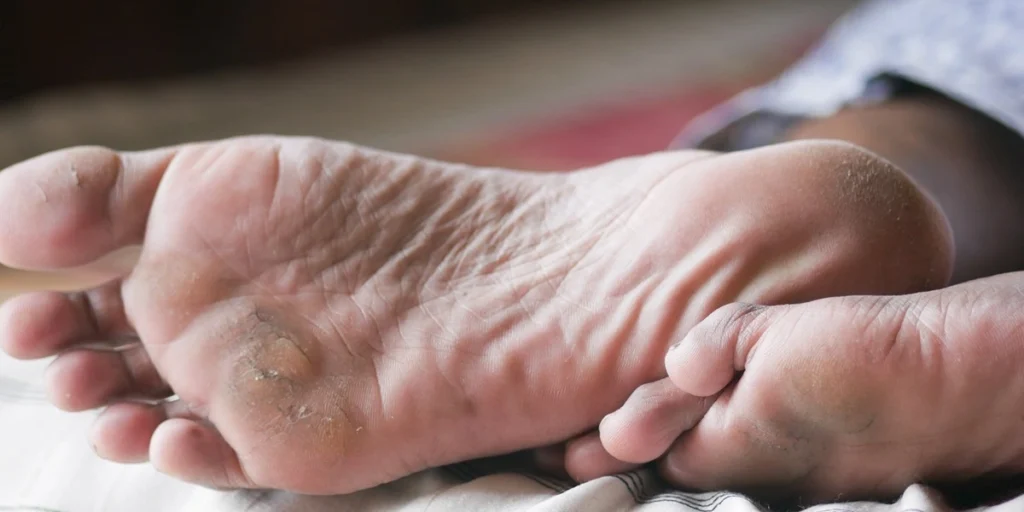
Types of Gangrene
Dry Gangrene:
Caused by reduced blood flow, commonly seen in people with diabetes or peripheral artery disease. The affected area becomes dry, shriveled, and dark.Wet Gangrene:
Develops due to infection along with poor blood supply. It spreads quickly and is a medical emergency.Gas Gangrene:
A rare but severe infection caused by bacteria producing gas within tissues. Requires immediate treatment.Internal Gangrene:
Affects internal organs when blood flow is blocked.
Symptoms of Gangrene
Symptoms vary depending on the type but may include:
Discoloration of skin (black, blue, purple, or green)
Severe pain or numbness in the affected area
Swelling and redness
Foul-smelling discharge (in infected gangrene)
Coldness of the affected limb
Fever or general weakness in advanced cases
Causes & Risk Factors
Gangrene usually develops due to poor circulation or infection. Common risk factors include:
Diabetes
Peripheral arterial disease (PAD)
Smoking
Severe injuries or trauma
Infections
Long-standing untreated wounds
Advanced age
Diagnosis of Gangrene
Early diagnosis is critical for saving tissue and preventing complications. Evaluation may include:
Clinical examination of the affected area
Blood tests to detect infection
Doppler ultrasound to assess blood flow
CT or MRI to evaluate tissue damage
Angiography to identify blocked blood vessels
Treatment Options for Gangrene
Treatment depends on the type and severity of gangrene and aims to stop progression and restore blood flow.
Medical Treatment
Antibiotics for infection
Pain management
Wound care and monitoring
Minimally Invasive & Interventional Treatment
Endovascular procedures to restore blood flow
Image-guided interventions to improve circulation
These methods help reduce tissue damage and may prevent amputation in selected cases
Surgical Treatment (if required)
Removal of dead tissue
Amputation in advanced or life-threatening cases
Early intervention improves outcomes and reduces the need for major surgery.
Why Early Treatment Is Important
When to Seek Medical Care
Immediate medical attention is required if you notice:
Sudden color changes in skin
Severe pain or numbness
Non-healing wounds
Signs of infection such as foul smell or fever