
Non-Healing Leg Ulcers
Leg Wound & Ulcer Treatment in Aurangabad – Dr. Vivek Jaju
Early evaluation and targeted treatment are essential to promote healing and prevent long-term damage
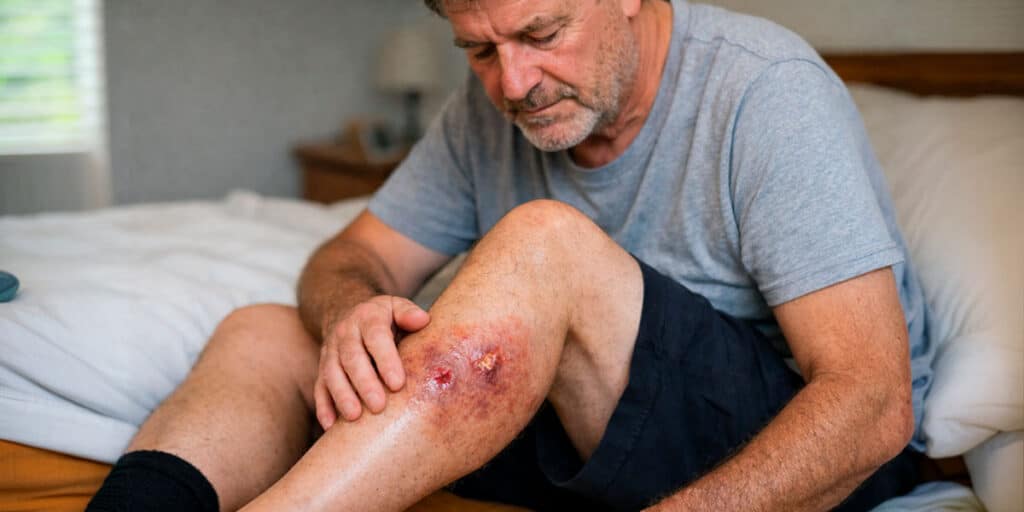
Common Causes of Non-Healing Leg Ulcers
Non-healing ulcers often develop due to one or more of the following reasons:
Peripheral arterial disease (poor blood supply)
Diabetes-related nerve and blood vessel damage
Venous insufficiency (poor vein circulation)
Previous deep vein thrombosis (DVT)
Infections
Prolonged pressure or trauma
Smoking and advanced age
Identifying the underlying cause is the key to successful treatment.
Symptoms of Non-Healing Leg Ulcers
An open wound that does not heal for weeks
Pain or burning sensation around the ulcer
Swelling of the leg or ankle
Redness or skin discoloration
Foul-smelling discharge or pus (if infected)
Thickened or hardened skin around the wound
Diagnosis of Non-Healing Leg Ulcers
Accurate diagnosis helps guide proper treatment. Evaluation may include:
Clinical examination of the wound
Doppler ultrasound to assess blood flow
Blood tests to check infection or diabetes control
Imaging tests such as CT or MRI when needed
Vascular studies to detect blocked or narrowed vessels
Treatment Options for Non-Healing Leg Ulcers
Treatment focuses on healing the wound and correcting the root cause.
Medical & Wound Care
Proper wound cleaning and dressings
Infection control with antibiotics if required
Compression therapy for venous ulcers
Minimally Invasive & Interventional Treatment
Image-guided procedures to improve blood circulation
Endovascular treatments to open blocked arteries or veins
These procedures help deliver oxygen and nutrients needed for healing
Early intervention improves healing and reduces the risk of recurrence or amputation.
Why Early Treatment Is Important
Delayed treatment can lead to:
Severe infection
Tissue damage
Chronic pain
Increased risk of limb loss
Timely care improves healing, comfort, and quality of life.
When to Seek Medical Care
Consult a specialist if:
A leg wound does not heal within 2–3 weeks
Pain, swelling, or discharge increases
You have diabetes or circulation problems
Early assessment can prevent serious complications.