
Peripheral Vascular Disease (PVD)
Peripheral Vascular Disease (PVD) Treatment in Aurangabad
Early diagnosis and timely treatment help restore circulation and improve quality of life.
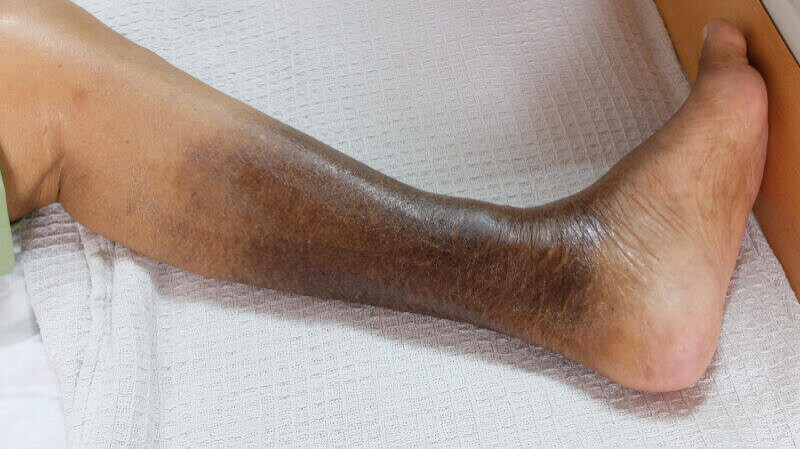
Symptoms of Peripheral Vascular Disease
Symptoms may vary depending on severity and may include:
Pain or cramping in legs while walking (claudication)
Leg pain that improves with rest
Coldness in the lower leg or foot
Numbness or weakness in the legs
Slow-healing wounds or ulcers
Change in skin color or shiny skin
Reduced hair growth on legs
Advanced disease may cause pain even at rest.
Causes & Risk Factors
PVD commonly develops due to atherosclerosis (plaque buildup in arteries). Risk factors include:
Diabetes
Smoking
High blood pressure
High cholesterol
Obesity
Increasing age
Family history of vascular disease
Diagnosis of PVD
Accurate diagnosis is essential to assess disease severity and plan treatment. Evaluation may include:
Clinical examination and symptom assessment
Doppler ultrasound to check blood flow
Ankle-Brachial Index (ABI) test
CT angiography or MR angiography for detailed vessel imaging
Treatment Options for PVD
Treatment aims to improve blood flow, relieve symptoms, and prevent complications.
Medical Management
Medications to improve circulation and control risk factors
Lifestyle modifications such as smoking cessation and exercise
Minimally Invasive & Interventional Treatment
Endovascular procedures to open narrowed or blocked arteries
Balloon angioplasty and stent placement when required
Image-guided, targeted treatment with faster recovery
Surgical Treatment
Recommended only in advanced cases when other options are not suitable
Benefits of Minimally Invasive Treatment
No major surgical cuts
Reduced pain and shorter recovery time
Improved blood flow and walking ability
Lower risk of complications
Day-care or short hospital stay